From global sports brands to international cross-border e-commerce and now being part of Taiwan’s rapidly growing retail market, Alex’s career has gone through several very different stages. Those experiences gradually helped him build a broader business perspective. However, what truly reshaped Alex’s understanding of category management was joining Coupang.
When he joined Coupang Taiwan three years ago, the organization was still in a rapid growth phase. The structure was not yet as fully developed as it is today, and he became part of a fast-scaling market and team. Every day involved engaging with new brands, new partnership models, and new market challenges. What truly differentiated Coupang from his previous experiences was the speed, ownership, and level of business impact individuals could have. At Coupang, you are not simply participating in growth. In many ways, you are helping define it.
Finding the right environment: Where impact meets speed
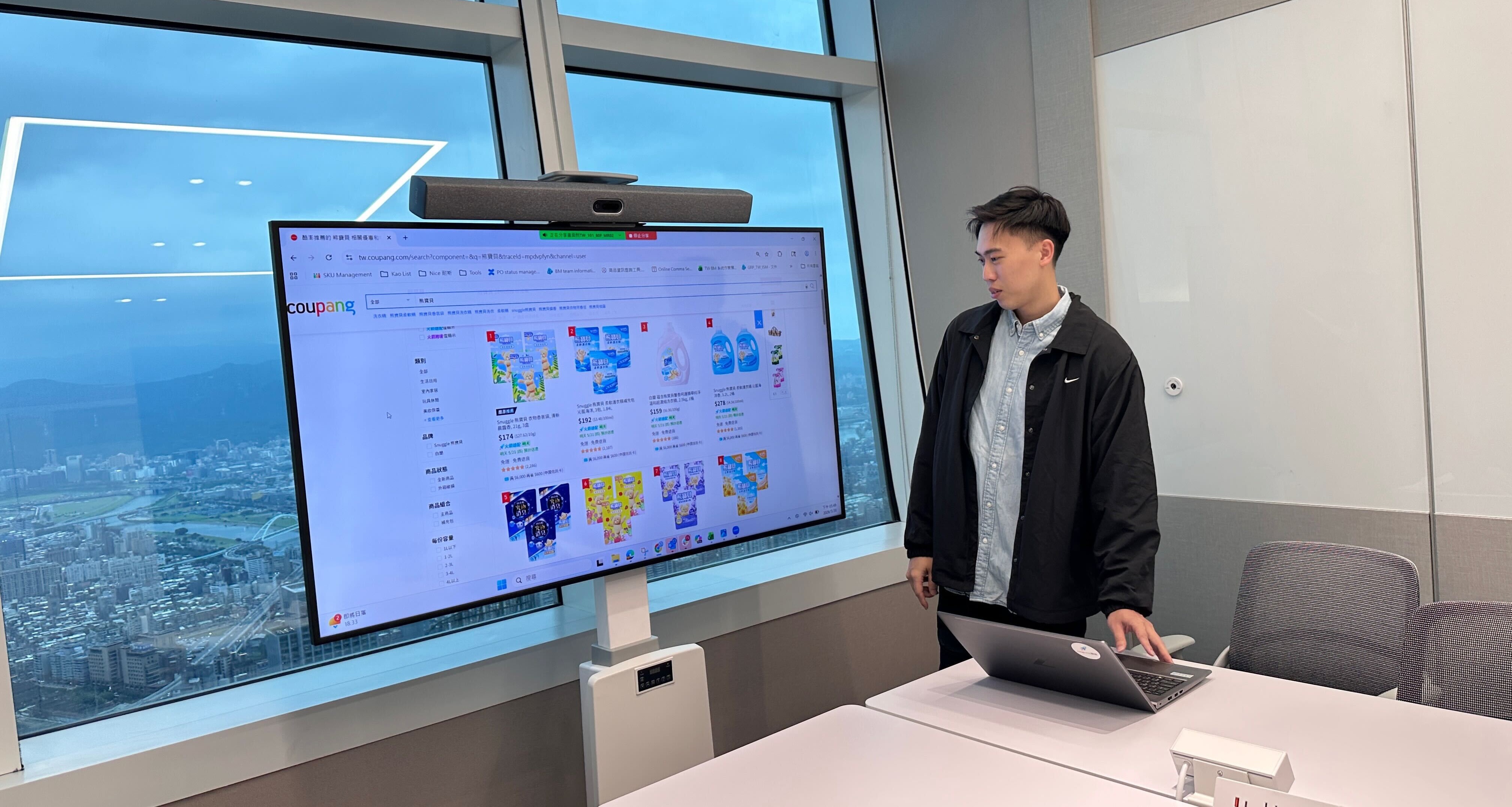
Today, Alex mainly oversees the Laundry Detergent category within Health & Personal Care. Although it may seem like a very everyday category, once you truly dive into it, you realize how closely it reflects consumer behavior. Consumers care deeply about pricing, volume, fragrance, functionality, convenience, and overall shopping experience.
Especially for heavy and high-frequency household essentials like laundry detergent, convenience itself becomes a critical part of the customer experience. That is also why Alex believes services like Rocket Delivery create such a strong impact in this category. Having delivery personnel bring laundry and cleaning essentials straight to your doorstep is a huge convenience—and a major appeal for consumers.
As he became more deeply involved in category ownership, Alex also realized that the responsibilities of a Category Manager extend far beyond products themselves. You need to understand what consumers truly need, while also understanding what brands are genuinely concerned about.
Unlocking growth potential: Turning possibilities into breakthroughs
Because in many situations, brands, retail channels, and consumers are not always perfectly aligned. From a retail management perspective, teams focus heavily on growth, profitability, inventory, health, and customer experience. But from the brand side, priorities are often very different. Brands think about whether their value is being protected, whether market pricing remains healthy, and whether a retail channel can truly support their long-term strategy.
One experience that left a strong impression on Alex was rebuilding a partnership with a very important brand. Previously, the partnership had stalled due to differences in pricing strategy, and channel positioning. At first, many people assumed that competitive pricing and sales volume alone would naturally lead to collaboration. But over time, Alex realized that for brands, decisions are never only about price or quantity. What matters more is how consumers perceive the brand, whether pricing stability can be maintained, and whether the channel can become part of the brand’s long-term growth strategy.
That experience taught him to spend much more time thinking from the brand’s perspective—not simply discussing sales, but genuinely understanding what brands are concerned about, what they hope to build, and what they want to achieve in the long run. He also realized that negotiation is not simply about lowering prices. More often, it is about finding balance between different stakeholders and building long-term trust. Because when brands truly trust you and believe the channel can create sustainable value, partnerships become much stronger and longer lasting.
Role evolution: From key account manager to category owner
Over the years, these experiences also helped Alex build a much broader business mindset. Beyond commercial discussions and strategy planning, he became more comfortable aligning with different stakeholders, influencing brands through data and market insights, and leading cross-functional teams to drive execution and business results. Working in a highly dynamic environment also taught him how to make decisions faster, integrate resources more effectively, and focus on creating meaningful business impact within limited timeframes.
Alex has also come to realize that great Brand Managers do more than understand retail. They understand what brands care about, what consumers truly need, and what kind of value a retail channel can genuinely create. To Alex, the role of a Category Manager is more like being a bridge between brands, consumers, and retail channels. Ultimately, success is not simply about selling more products. It is about building healthier categories through stronger category strategies, deeper consumer understanding, and better long-term brand partnerships.
That is also why Alex enjoys this transition in his career so much. From brand management and business development to now leading category strategy and category operations, he has gained a much broader perspective on the retail industry. And Alex believes this is also what makes Coupang unique. Coupang is not simply providing a shopping service. It is redefining customer experience through technology, logistics, and a deep customer-centric culture. Services like Rocket Delivery are not only changing delivery speed. They are changing consumers’ expectations of convenience and retail experience itself.
Working in such a fast-growing environment has also changed the way Alex views business. Today, he cares more about why consumers buy, why brands invest, and what truly creates a sustainable business model in the long run.
Advice for future challengers: Growing through action
Looking back, Alex is grateful that his career has allowed him to experience global brands, cross-border e-commerce, business development, account management, and now category management. Because these experiences taught him that truly sustainable businesses are not simply about selling products. They are about creating real value for consumers, brands, and the market at the same time.